Structural Audit And Building Assessment
As buildings age or undergo environmental stress, their structural integrity can deteriorate over time. A structural audit is a professional evaluation that determines the health and safety of a building. It’s crucial for identifying risks, ensuring compliance with safety regulations, and planning preventive maintenance or renovations.
Whether you’re a property owner, manager, or engineer, understanding what a structural audit involves is key to ensuring the longevity and safety of your building. This comprehensive guide will walk you through the concept, process, benefits, and legal requirements of structural audits.
What Is a Structural Audit?
A structural audit is a technical assessment of a building’s structural stability and overall health. It helps detect signs of wear and tear, material deterioration, structural deformation, or any potential danger to occupants and the surrounding area.
The goal of a structural audit is to:
- Evaluate the structural integrity of a building
- Identify weaknesses, damage, or safety hazards
- Recommend maintenance, repairs, or reinforcements
- Comply with safety regulations or legal mandates
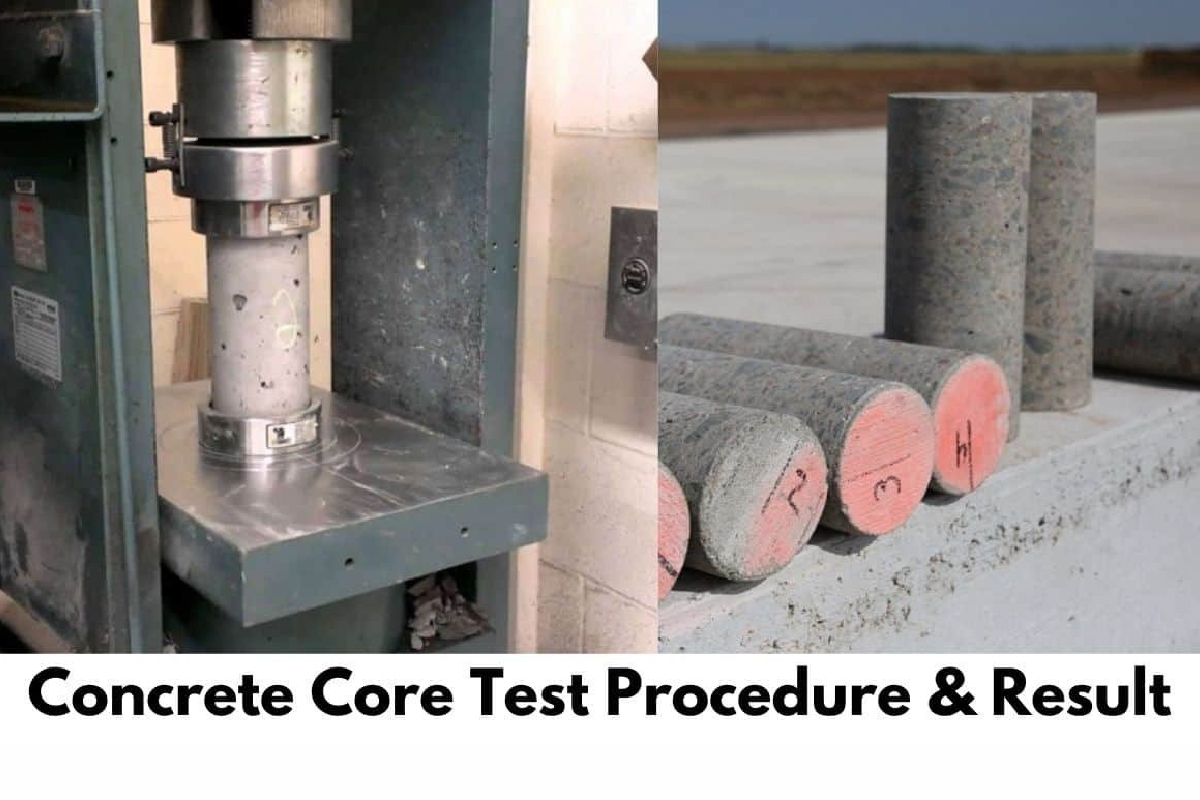
This assessment is usually conducted by a certified structural engineer or an expert in civil engineering, using a combination of visual inspection, testing tools, and engineering analysis.

Why Are Structural Audits Important?
Buildings are subjected to various stresses throughout their lifespan—from natural aging to environmental exposure, poor construction, lack of maintenance, and even natural disasters. A structural audit ensures that your property is safe, stable, and fit for occupancy.
KEY REASONS TO CONDUCT A STRUCTURAL AUDIT:
- Safety of Occupants: Early detection of faults helps avoid structural failures, injuries, or fatalities.
- Legal Compliance: Many municipalities mandate periodic structural audits, especially for older or high-rise buildings.
- Preventive Maintenance: Timely intervention helps minimize repair costs in the long run.
- Property Valuation: A structurally sound building holds its value better in the real estate market.
- Disaster Preparedness: Evaluating the building's resilience helps prepare it for natural disasters like earthquakes, floods, or storms.
When Should a Structural Audit Be Performed?
Location, building age, and intended use all affect how frequently and when structural audits are conducted. However, some common scenarios include:
- After 15–30 Years of Building Age: In many regions (e.g., India), structural audits are mandatory for buildings older than 30 years.
- After a Natural Disaster: Earthquakes, floods, or hurricanes can cause unseen structural damage.
- Before Renovations or Load Modifications: When adding floors, changing layouts, or installing heavy equipment.
- Change of Building Use: For example, changing a residential property into a commercial one.
The Structural Audit Process
A comprehensive structural audit involves several steps to evaluate the overall health of the building. Here’s a general outline:

PRELIMINARY DATA COLLECTION
Review of architectural and structural drawings Study of past maintenance records Occupant feedback on any visible issues

VISUAL INSPECTION
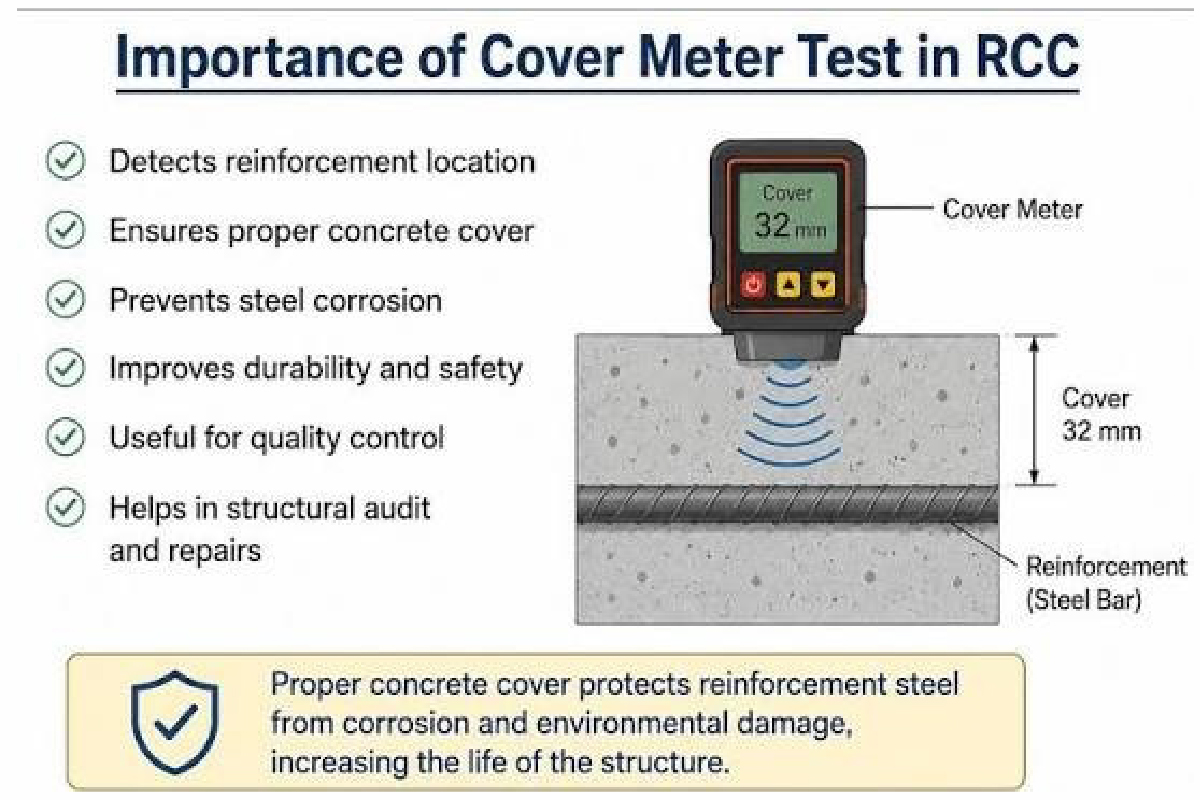
Cracks in walls, beams, or columns Signs of rust, corrosion, or leakage Uneven floors or wall bulging Degradation of materials like concrete or steel

NON-DESTRUCTIVE TESTING (NDT)
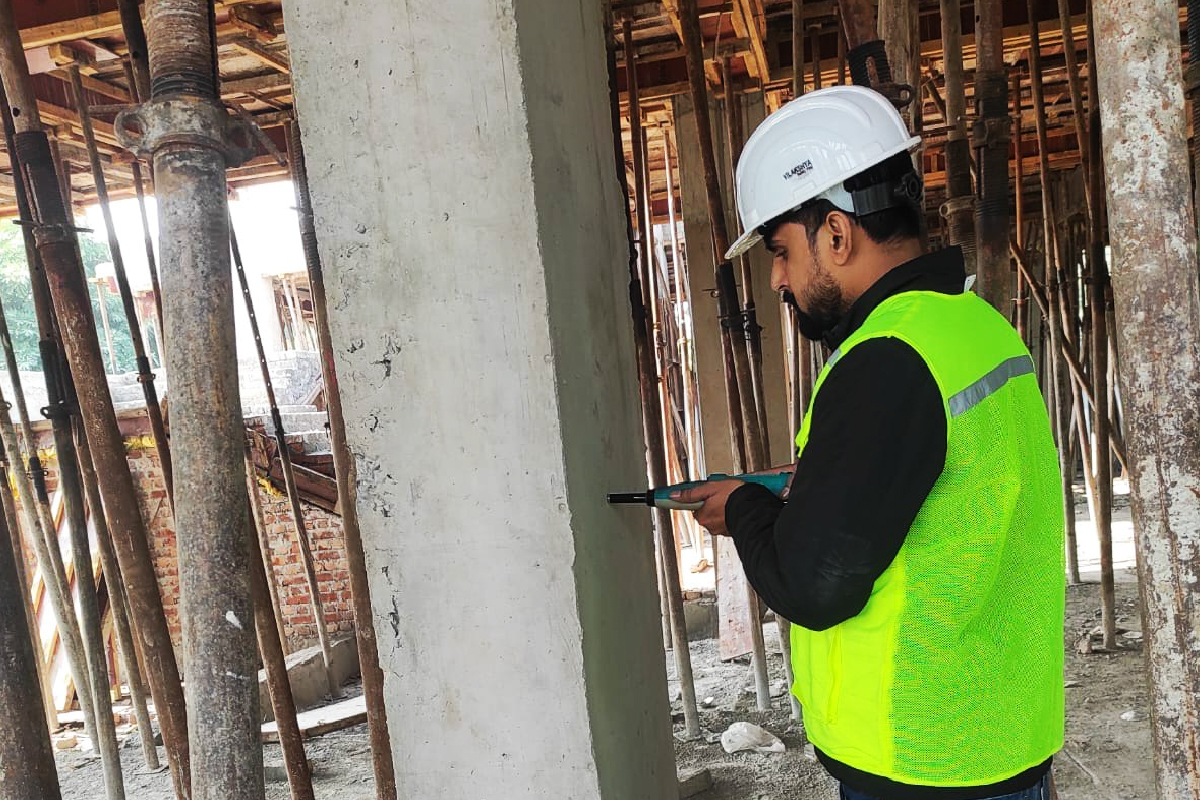
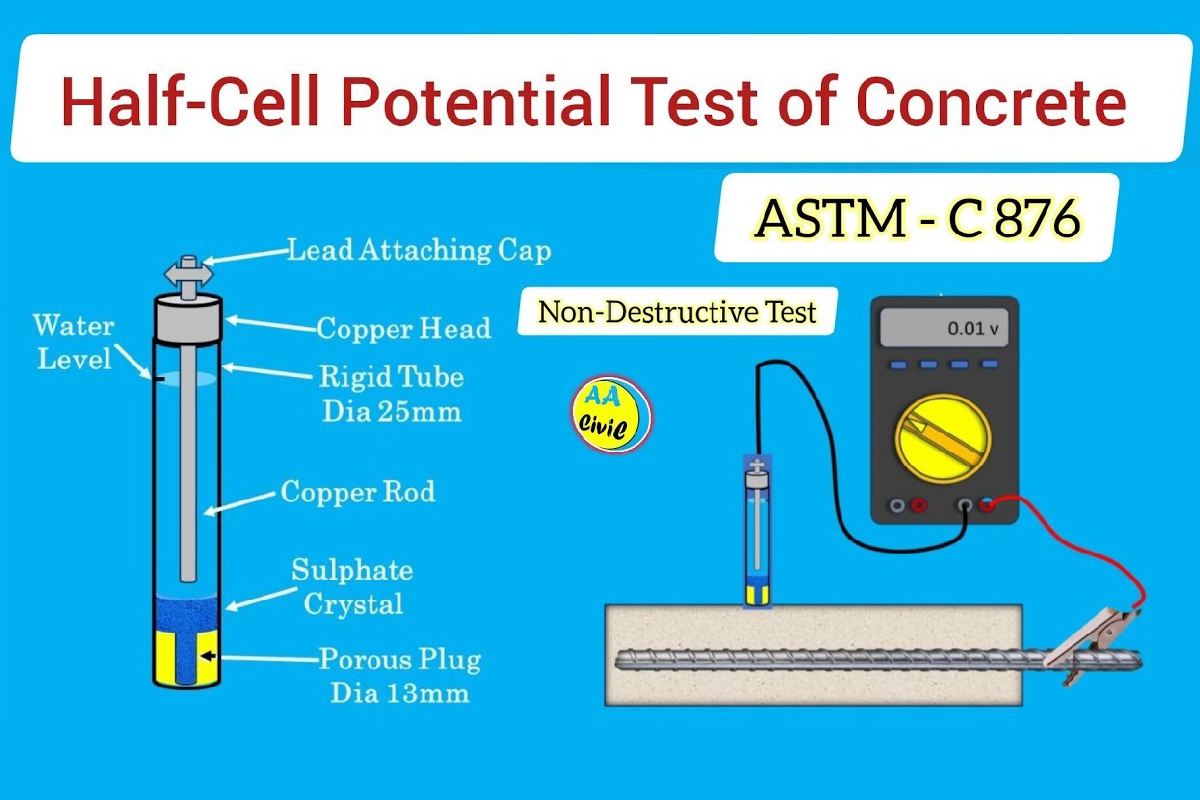
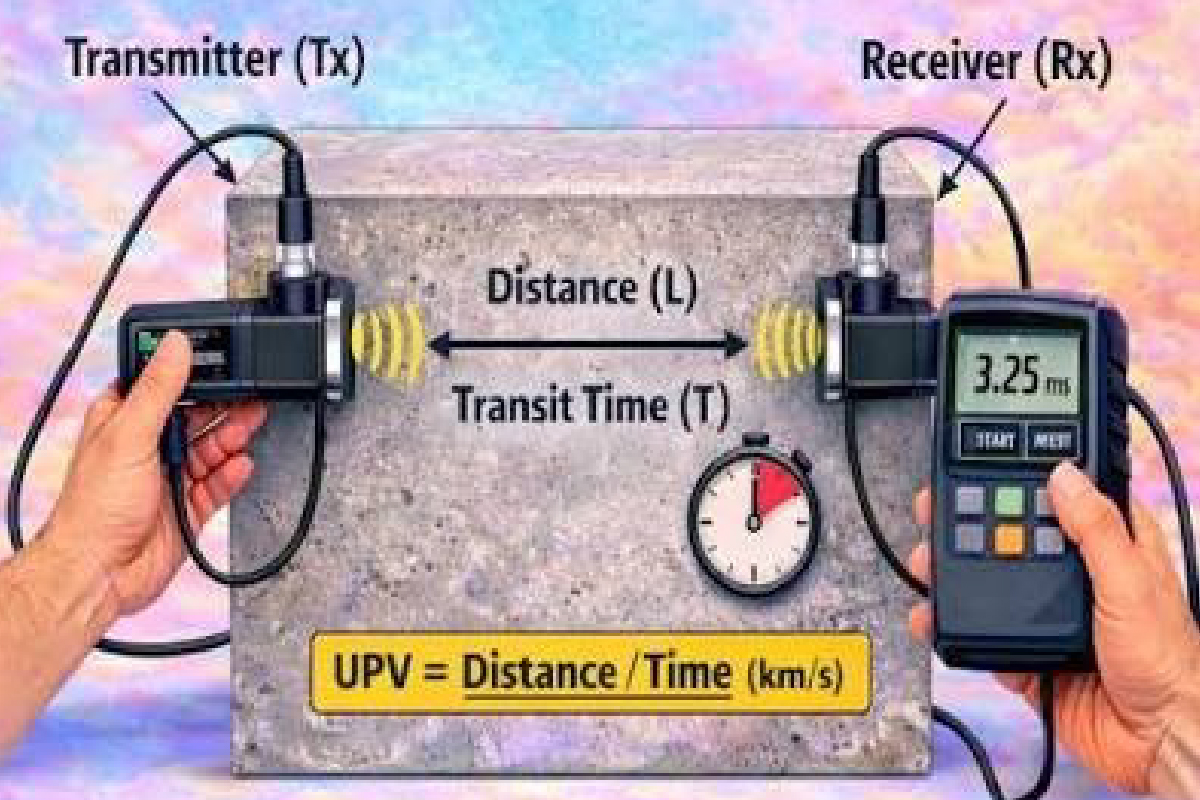
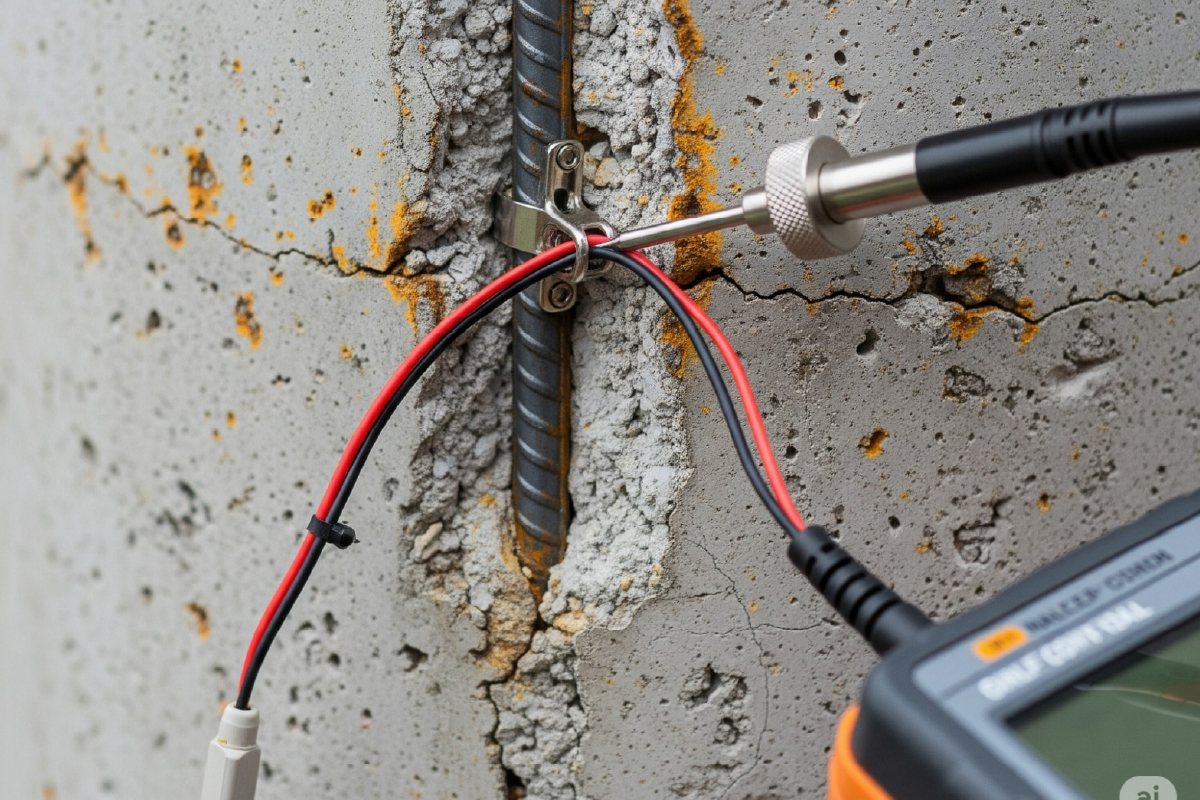
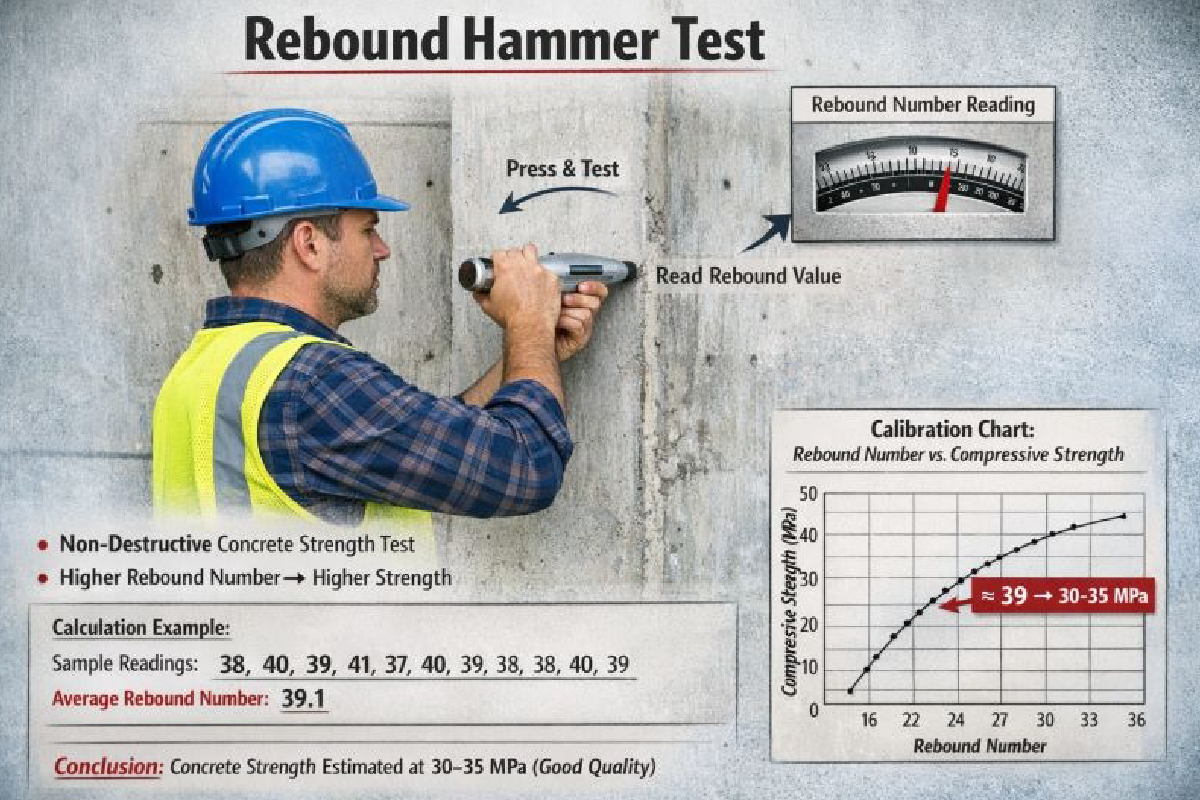
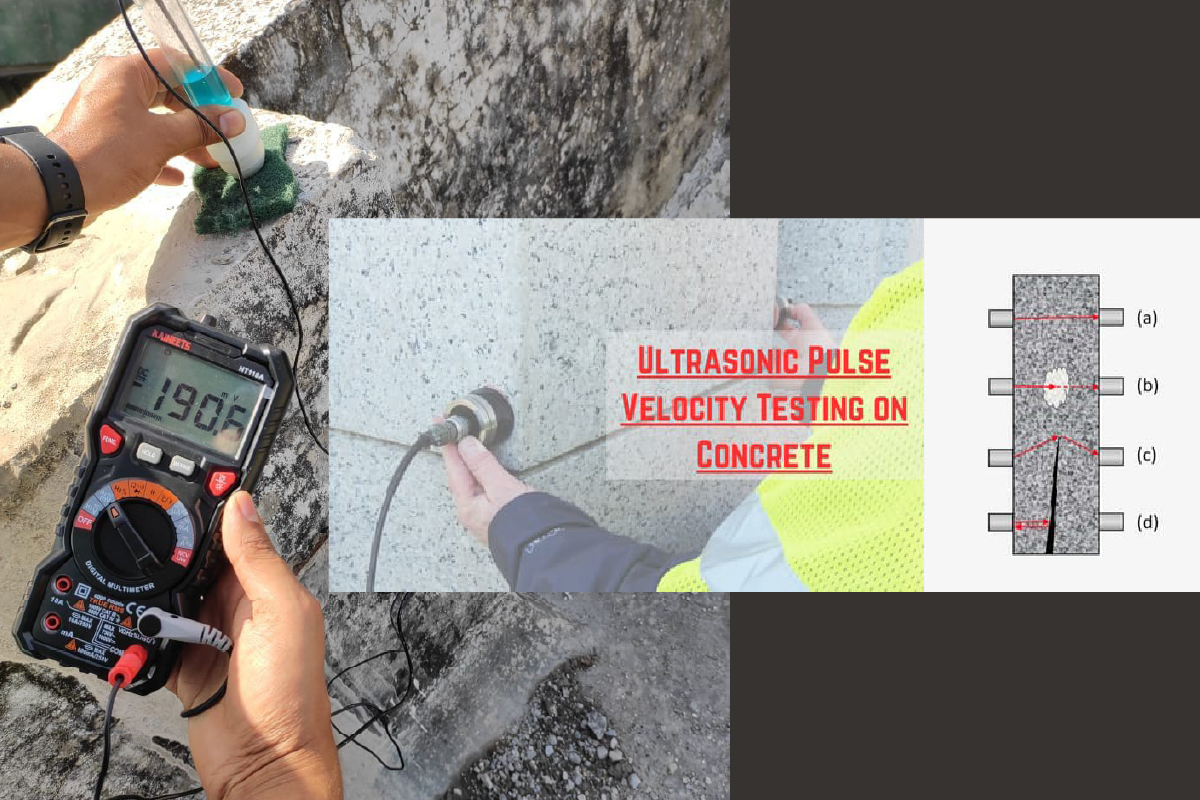
Rebound Hammer Test (for concrete strength) Ultrasonic Pulse Velocity (UPV) Infrared Thermography Half-cell potential tests for corrosion

LOAD ANALYSIS
Verify actual loads vs. designed load capacity Check for additional stress due to alterations or misuse
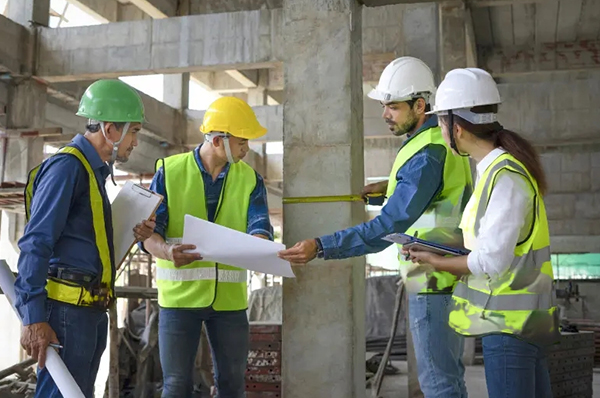
REPORTING & RECOMMENDATIONS
A detailed report includes photographs, data, and observations Recommendations may include minor repairs, retrofitting, or in extreme cases, evacuation
Who Performs a Structural Audit?
Only qualified professionals with credentials in structural or civil engineering should conduct a structural audit. These experts are trained in:
- Building codes and regulations
- Material science and load dynamics
- Risk assessment and mitigation strategies
- In many countries, the audit must be signed off by a licensed structural engineer.
A standard structural audit report will usually cover:
- General building information Visual and NDT inspection findings Structural drawings and schematics
- Deficiency and damage mapping Load carrying capacity and safety index Photographic evidence
- Feature Structural Audit
- General Building Inspection Focus
- Structural elements like beams, columns Overall systems: electrical, plumbing
- Conducted By: Structural or civil engineer
- General building inspector
Tools Used
- NDT, structural analysis software
- Visual and basic tools
- Report Type
- Engineering-grade technical report
- General property condition report
In many countries and municipalities, structural audits are legally required at set intervals. For example:
For structures older than thirty years, the Mumbai Municipal Corporation in India requires structural evaluations every five years.
In the United States, cities like New York and San Francisco have facade and structure inspection programs for high-rise buildings.
Always check your local laws or consult a licensed engineer for compliance.
Is Your Building Due for a Structural Audit?
Ignoring small cracks or signs of degradation can lead to severe consequences. A professional structural audit is a small investment that brings peace of mind, safety, and regulatory compliance. Whether you manage a residential complex, commercial building, or industrial facility, make structural audits a part of your long-term maintenance plan.